
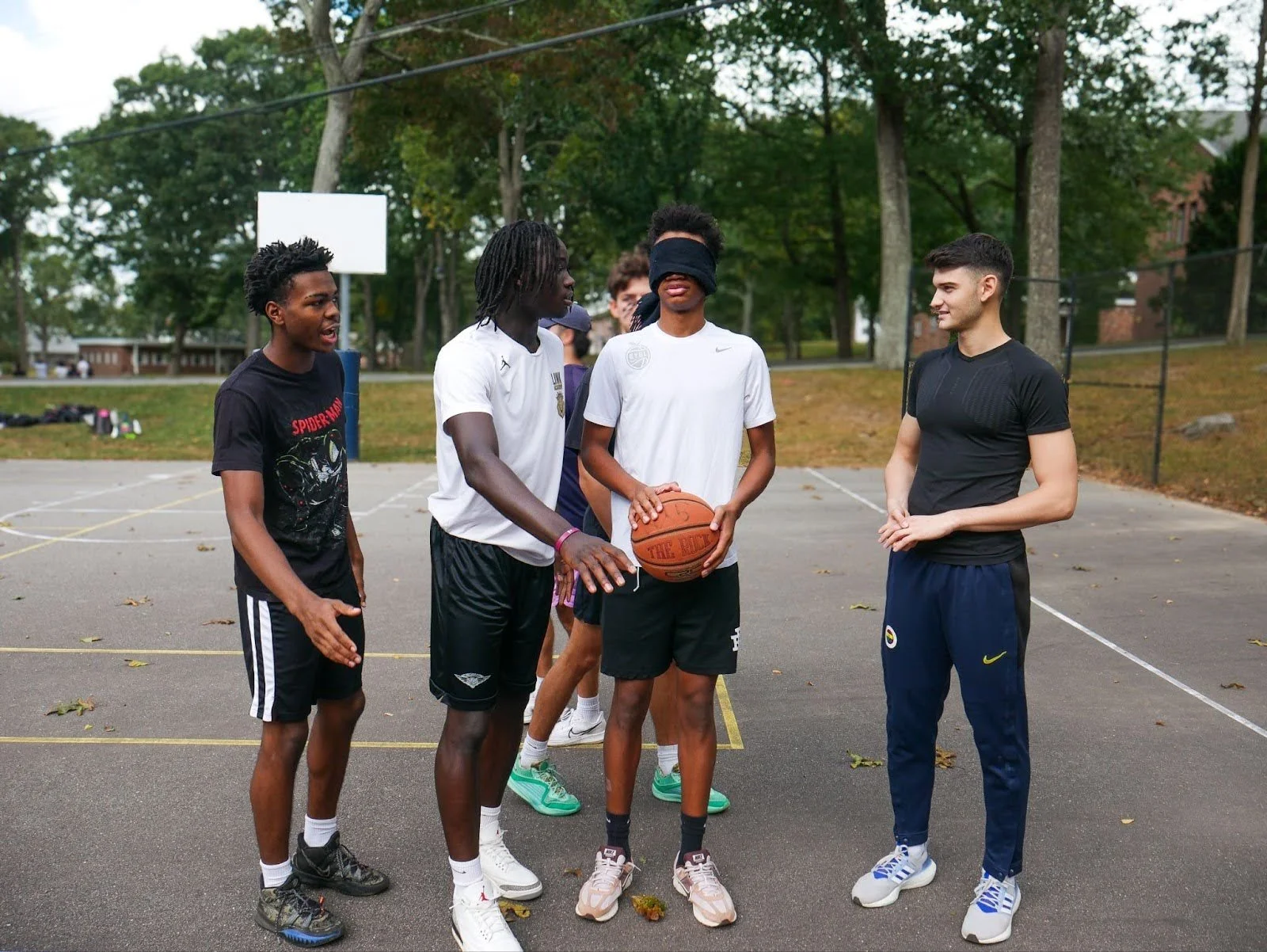
Train for the Moment After the Mistake.
IA teaches athletes and students to reset after mistakes, manage emotions, and refocus under pressure. We bring mental performance training into team practices and PE classes, helping young people build skills for competition and everyday life.

IA teaches students and athletes to use breathing, self-talk, visualization, and focus to handle pressure. They practice these skills during games, drills, and PE activities, when mistakes and frustration give them a reason to use them
Students across two studies
Randomized controlled trials
91%
Gr. 2–8
2
277
Validated age range
Retention rate
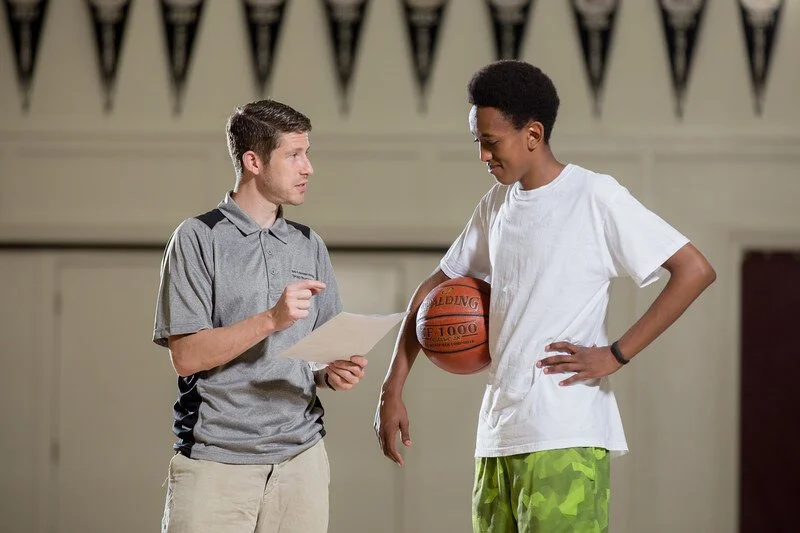
Mental fitness that lives inside sport.
A missed shot. A bad call. Waiting on deck, managing nerves before stepping into the box.
Sport provides the regulation reps. IA trains coaches and PE teachers to recognize them, create more, and connect the skill to everyday stress, like taking a test or having a difficult conversation.
Enough practice, and nobody has to call the reset.
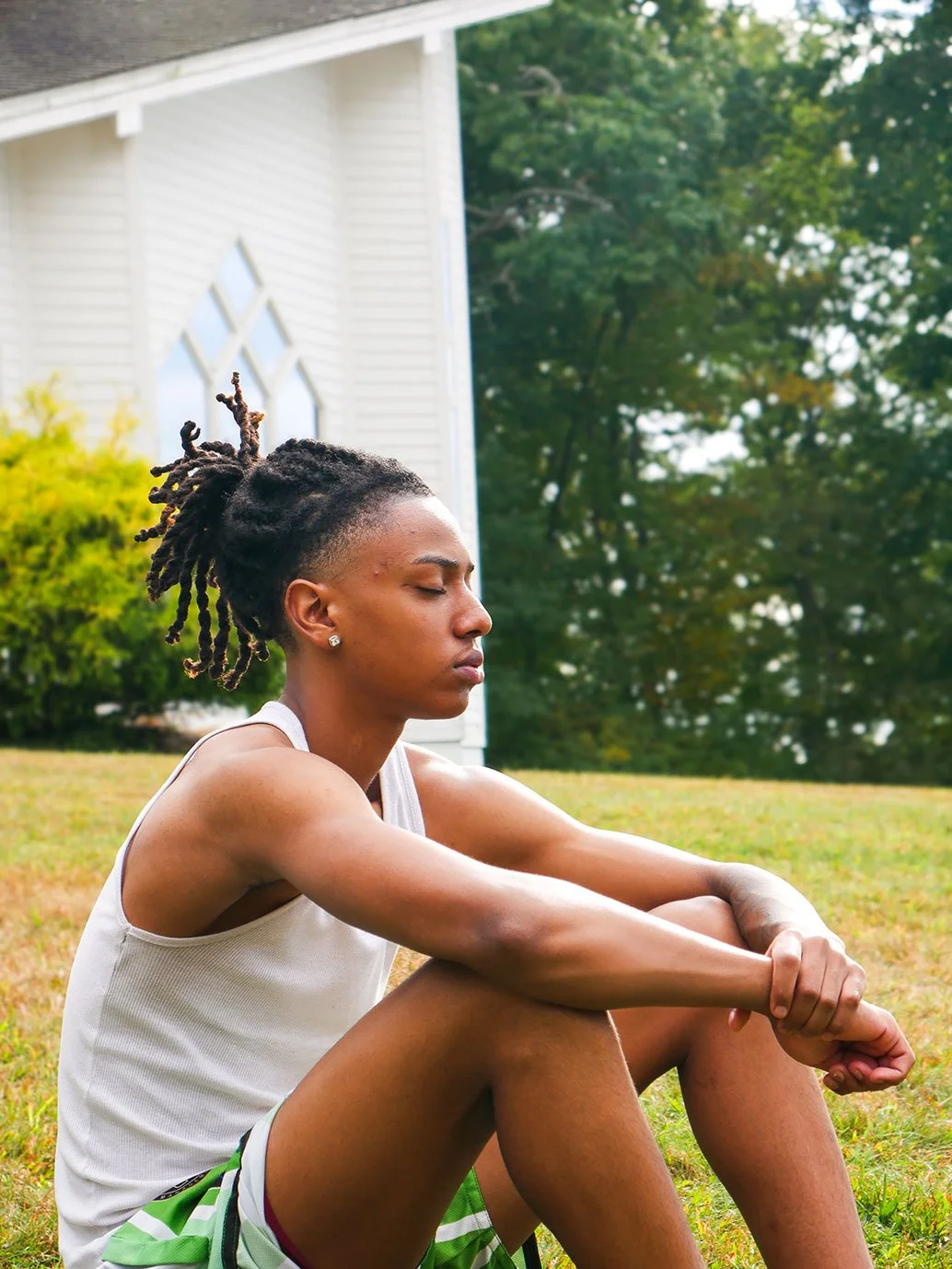
What changes when athletes train with IA.
Stay composed under pressure. Use a practiced breath to settle nerves and prepare for the next action.
Lock in when it matters. Practice directing attention to the task and refocusing when distractions pull it away.
Recover from mistakes. Use the four-step IA Reset to interrupt frustration and return to the next play.
Take the skills beyond sport. Connect the same routines to a tough test, a difficult conversation, or a hard day at school.
INTERRUPT
REGULATE
REDIRECT
EXECUTE
Mistake happens. Run the sequence. Back to play. With enough repetition, this becomes automatic — and that is the whole point.
The moment no one has trained.
Athletes train conditioning, technique, and tactics. Too few practice how to respond when pressure hits. A mistake becomes frustration. Frustration follows them into the next play.
THE SCENE
A player makes a mistake. Their attention narrows. Their body tightens. The next play is gone before it starts.
It shows up as the athlete who plays great in practice and goes quiet in games. The kid who crumbles after one bad play. The teenager whose phone has fragmented their attention so thoroughly that sustained focus feels out of reach.
It gets called a focus problem. A confidence issue. A toughness gap.
Often, it is simpler: the athlete has never been trained to recover.
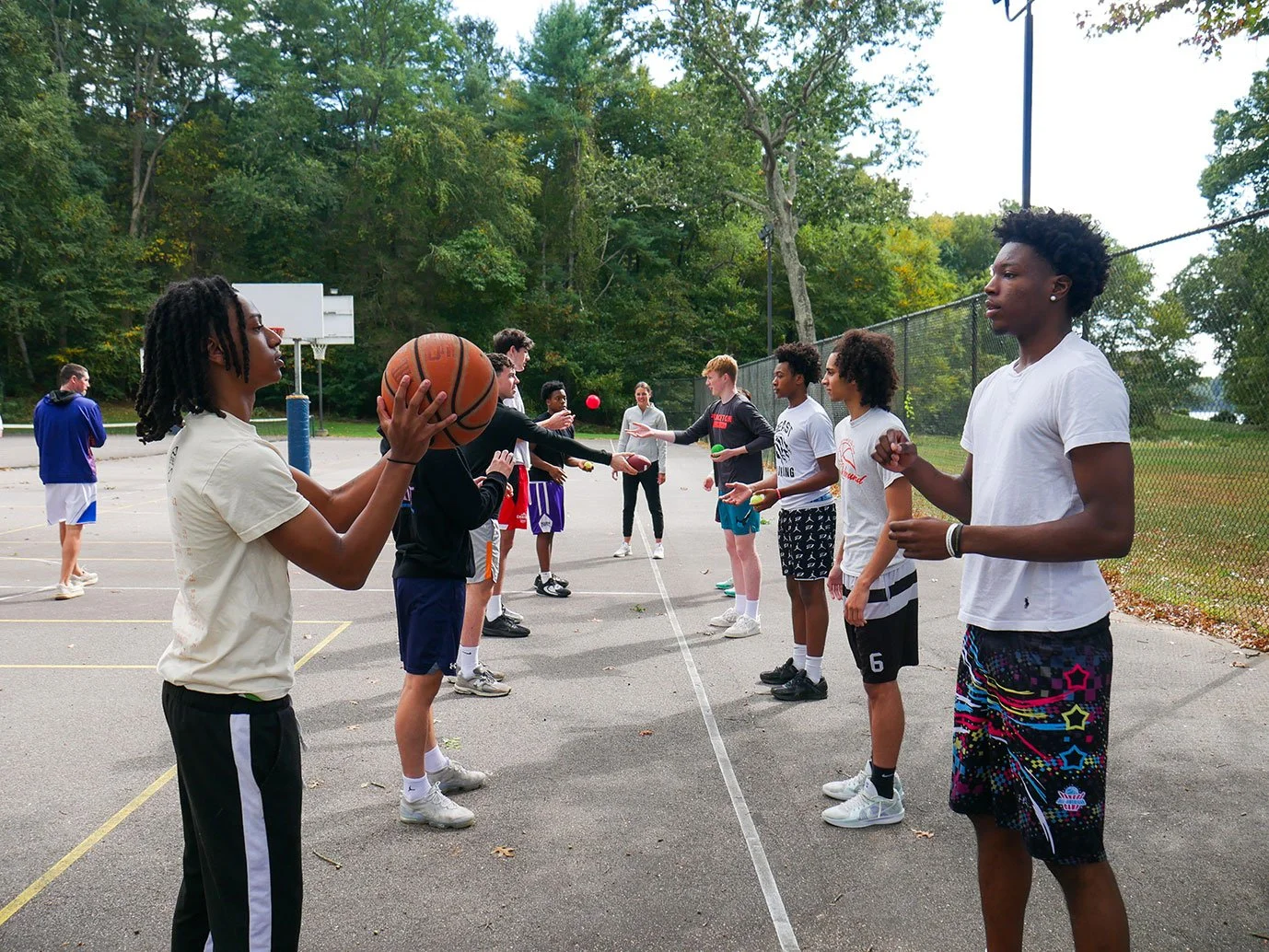
THE SOLUTION
Breathing is easy in a quiet room. It is harder after a turnover. Or with a crowd. Or when the game is on the line.
Self-talk is easy when nothing is at stake. It is harder when your coach is watching, you just made an error, and the next play is in three seconds.
The mental skills that help an athlete reset after a bad play are the same ones that help a kid stay composed in a genuinely high-stakes environment.
That is where IA lives. Not in the calm before the storm — in the storm itself.
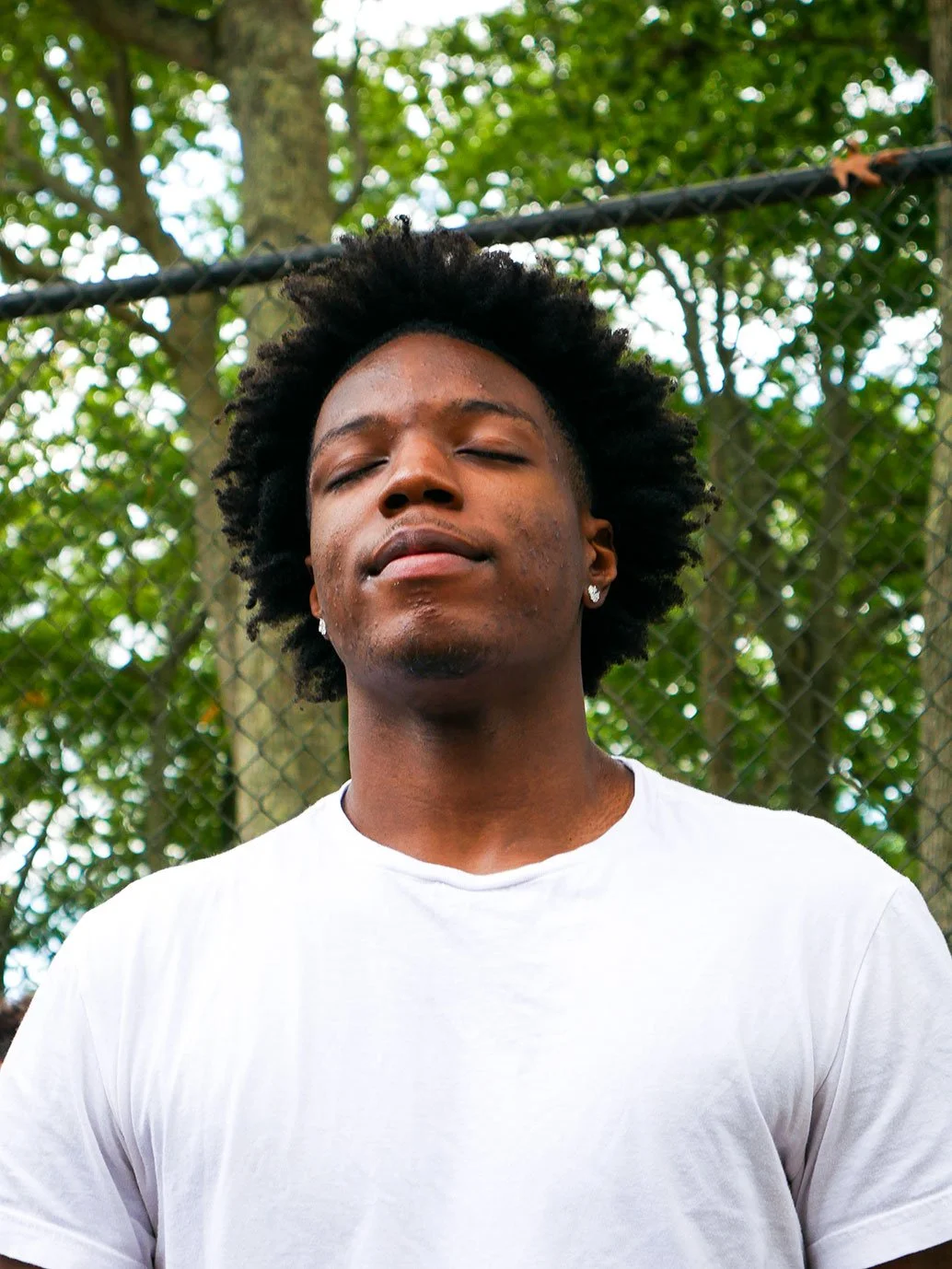
Four skills. One sequence. Built for pressure.
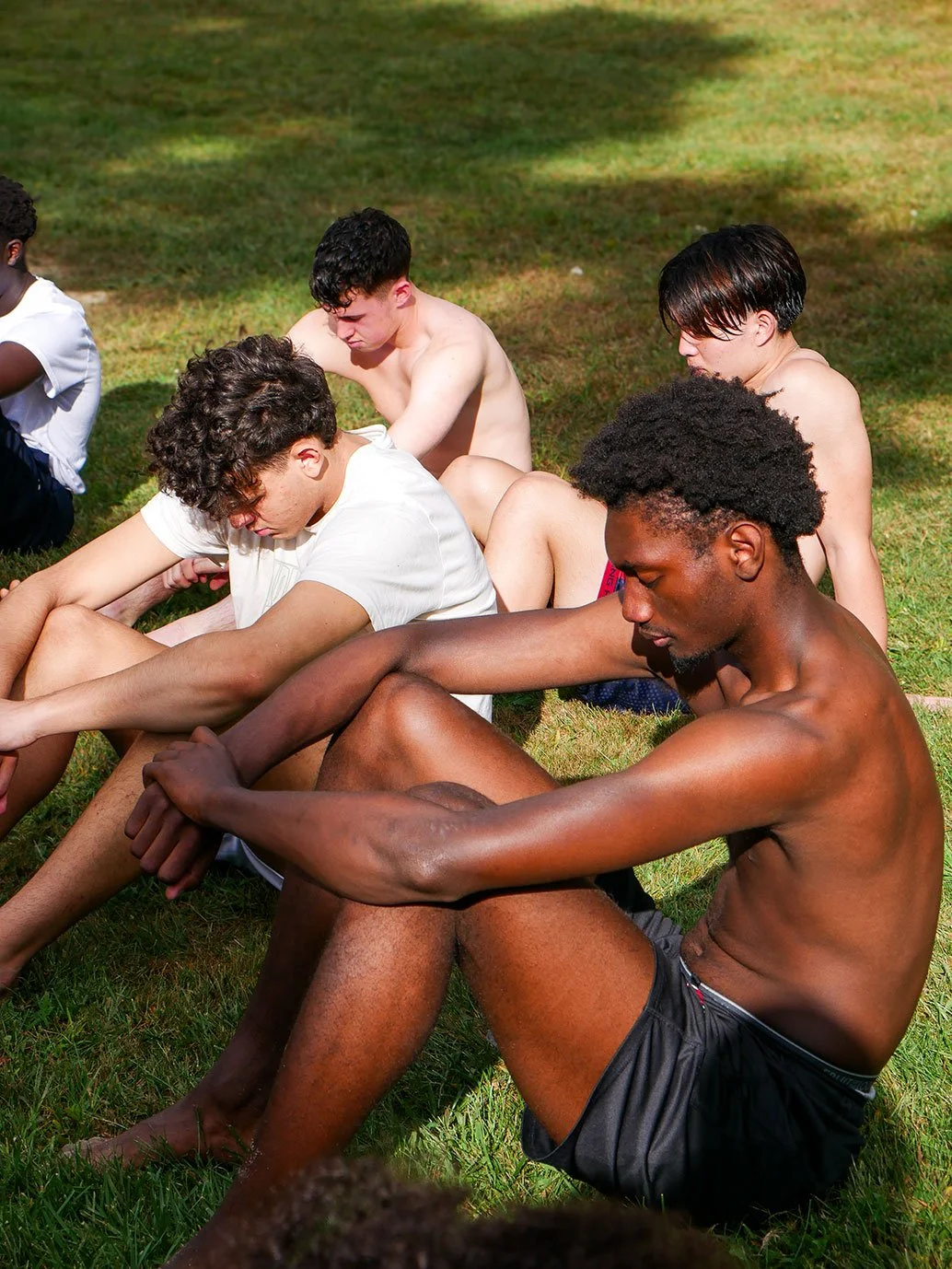
01
Breathwork
Regulate physiology when stress spikes. Parasympathetic activation in under six seconds. Trained inside competition, not before it.
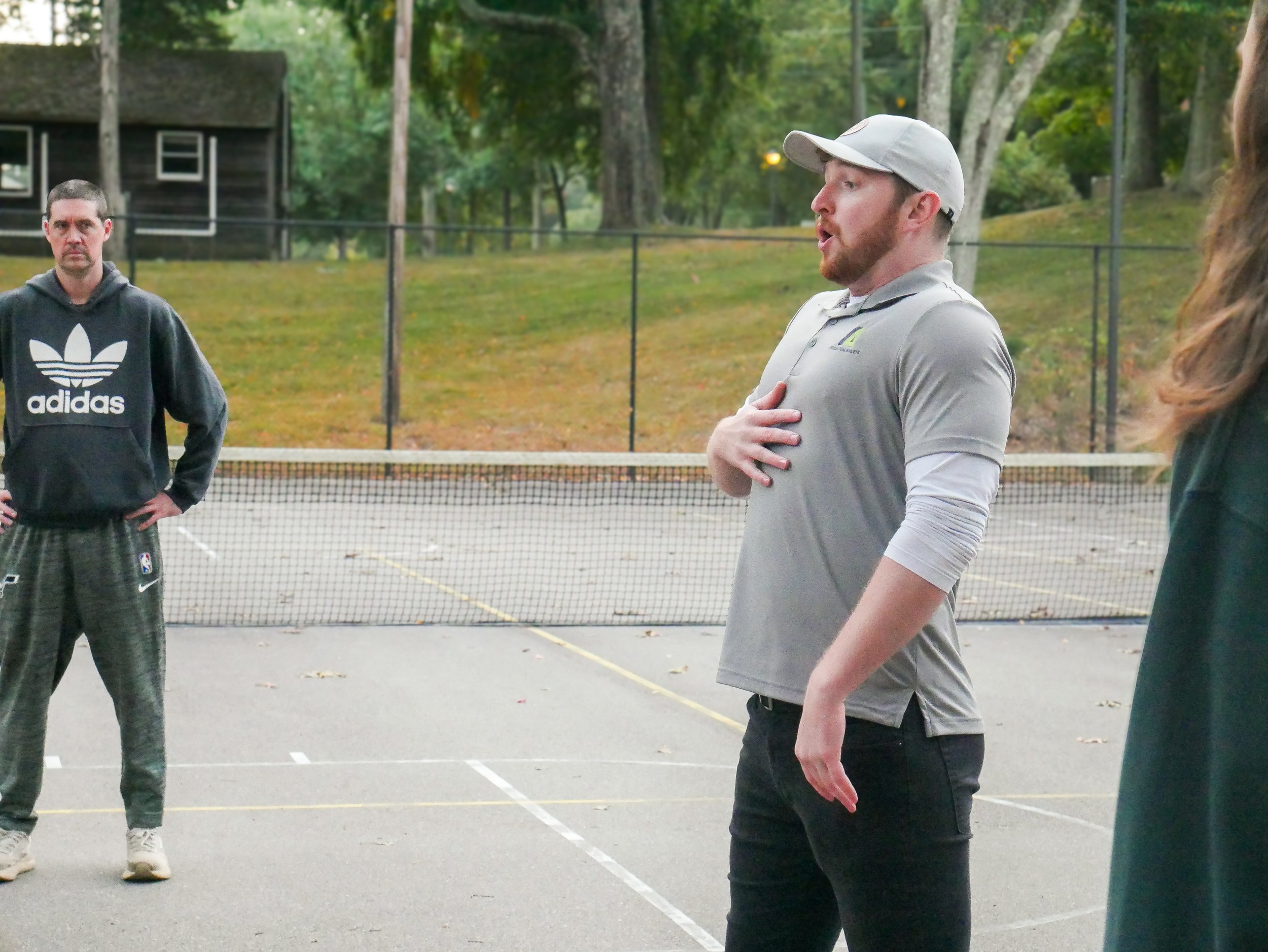
02
Self-Talk
Replace spiral thinking with clear instruction. Personalized, task-specific language that redirects focus after a mistake.
03
Visualization
Rehearse both execution and recovery. The mental image of a successful reset is as trainable as any physical skill.
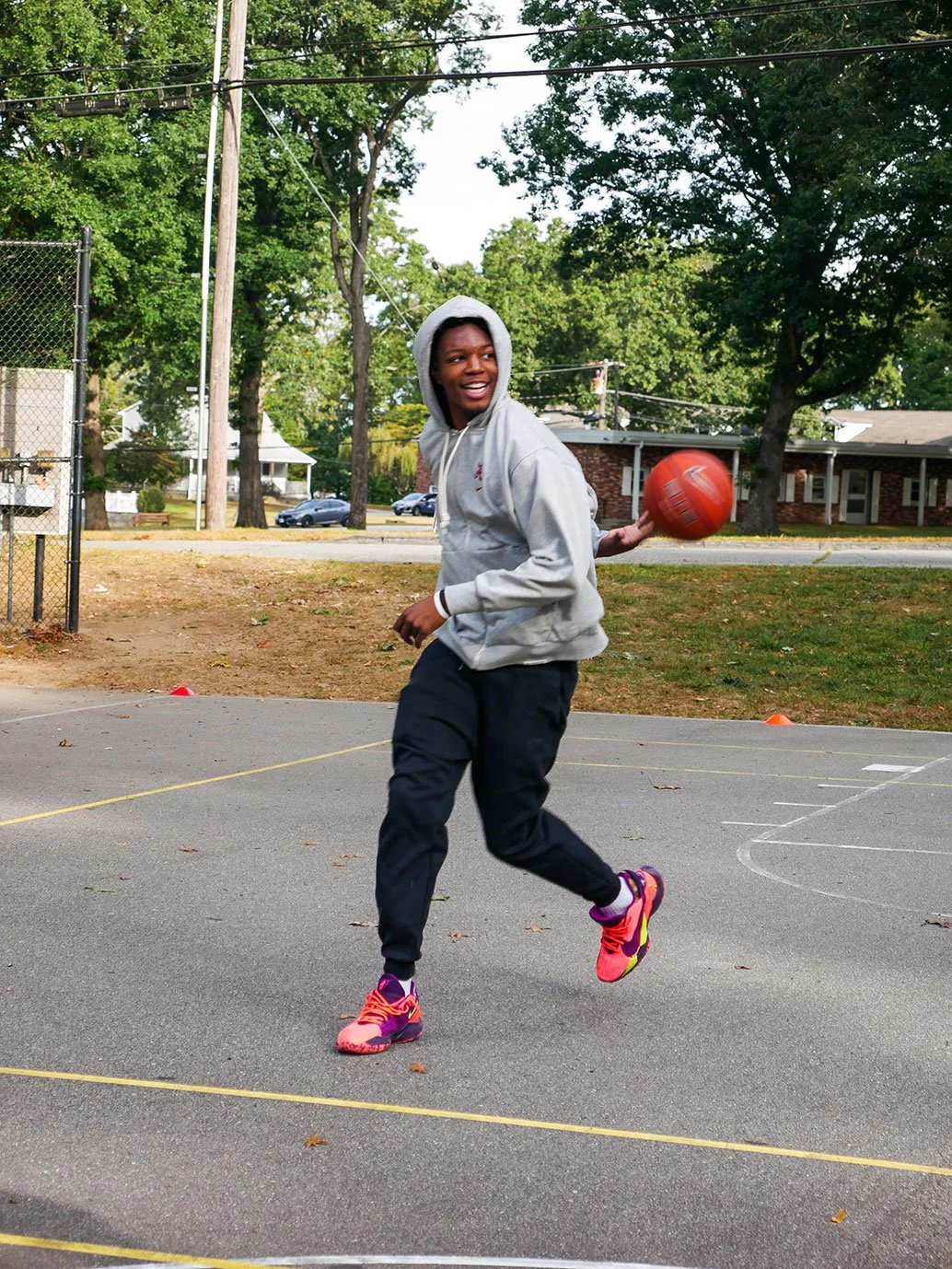
04
Attentional Control
Train focus in a distracted world. Athletes learn to move attention on command — the most transferable skill we teach.
Evidence that goes beyond inspiration.
91%
Gr. 2–8
Retention rate
Validated age range
2
277
Randomized controlled trials
Students across two studies
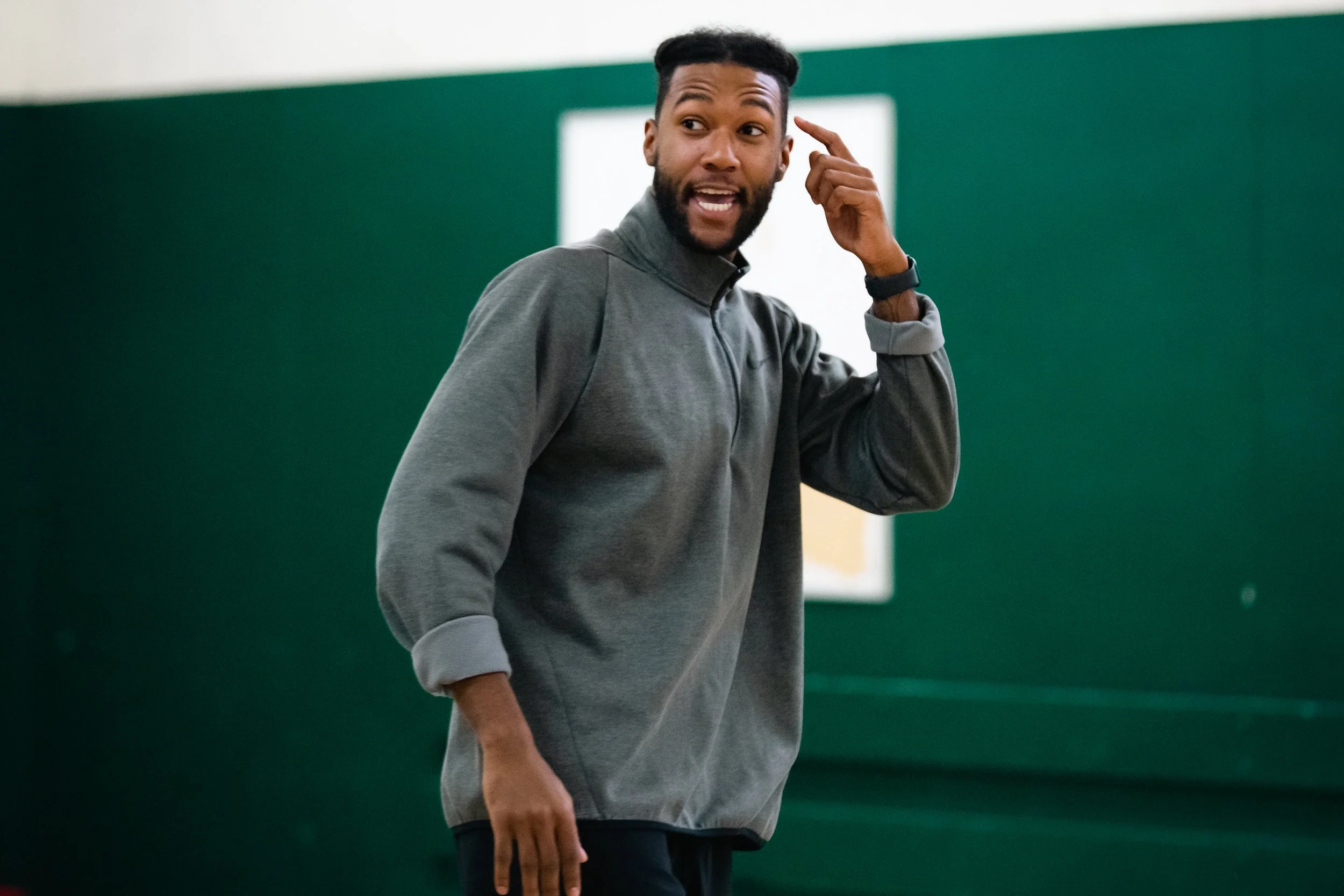
92%
Instructor fidelity — non-clinicians
Students who completed the IA program showed measurable improvements in persistence under challenge, daily mental skill use, perceived control under pressure, and the ability to apply those skills at home when angry or frustrated. Middle school students showed significant reductions in anxiety and increases in resilience on validated clinical measures. Control groups, who received the same physical activity without the mental skills training, showed no comparable gains
The delivery model matters as much as the results: no licensed clinical staff, no new infrastructure. The program was delivered by trained sport psychology practitioners embedded in existing school athletic programs — at 92% fidelity.
Research conducted in partnership with The Catholic University of America under the guidance of Dr. Brendan Rich, Chair of the Department of Psychology. Accepted for publication in Frontiers Mental Health and Physical Activity, a peer-reviewed journal. Studies conducted in San Diego Unified and Alvord Unified School Districts serving predominantly Hispanic/Latinx youth from low-income communities.
One system. Multiple entry points.
School Partnerships
IA helps schools meet their SEL goals through PE, intramurals, and team sports. Our evidence-backed, semester-long curriculum trains existing staff to build students’ focus and self-regulation through movement and play, helping schools do more without adding a class period or hiring another full-time employee.
Designed for athletic directors, SEL leads, PE directors, and expanded learning teams.
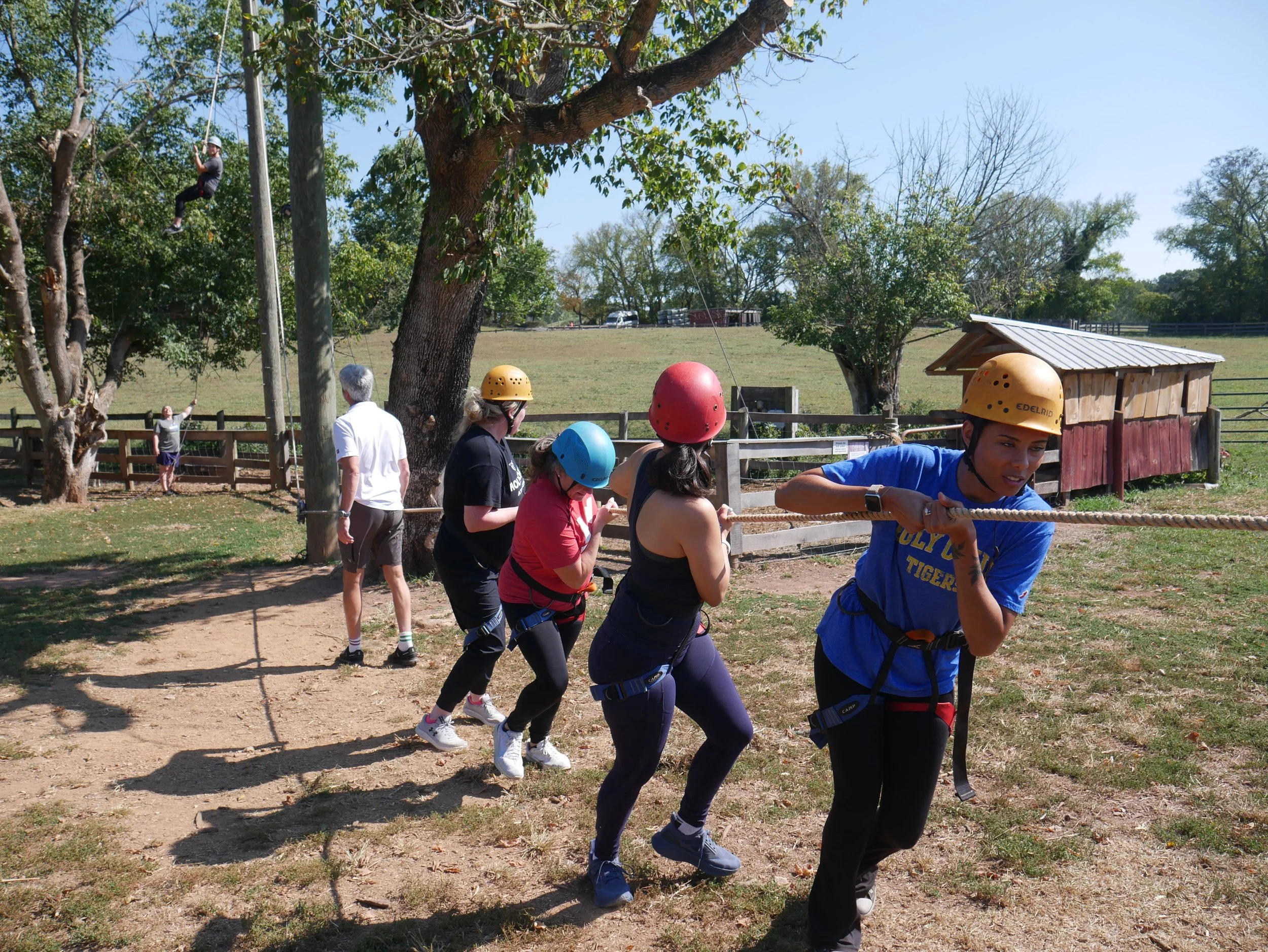
Team Programs
IA believes the team that recovers fastest wins, and shared, in-game resets are the future of sport. Through team challenges, athletes practice recognizing pressure, resetting together, and focusing on the next constructive action until they can do it in competition without a coach’s reminder.

Coach Training
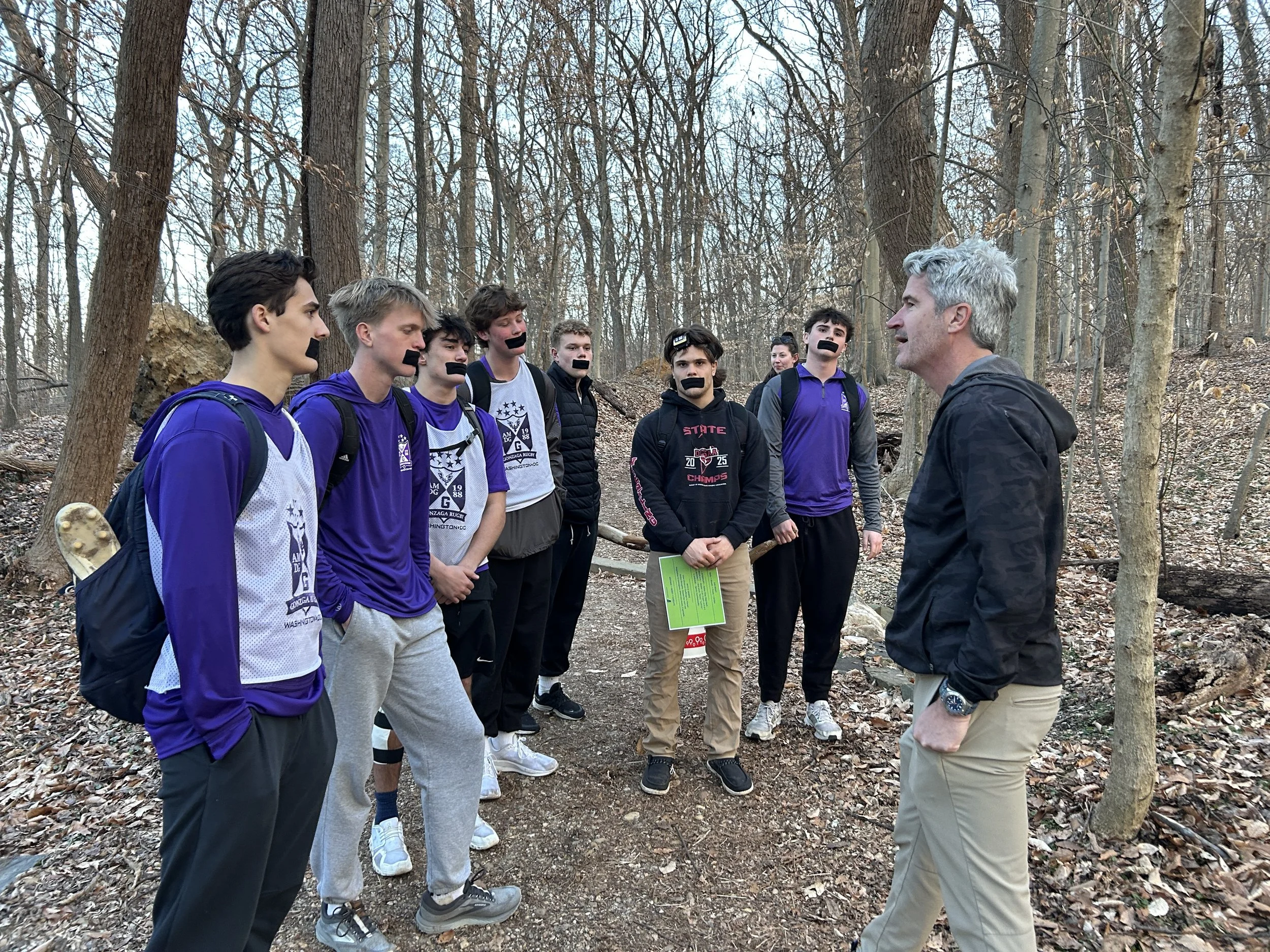
IA puts coaches through active challenges, then teaches them to manage the pressure using breathing, focus, self-talk, and imagery. They practice routines and resets, then learn to turn everyday sports moments into opportunities for athletes to build skills they can use independently, in competition and life.
Amp Sessions
Your athlete gets a dedicated coach and a plan built around their specific challenge.
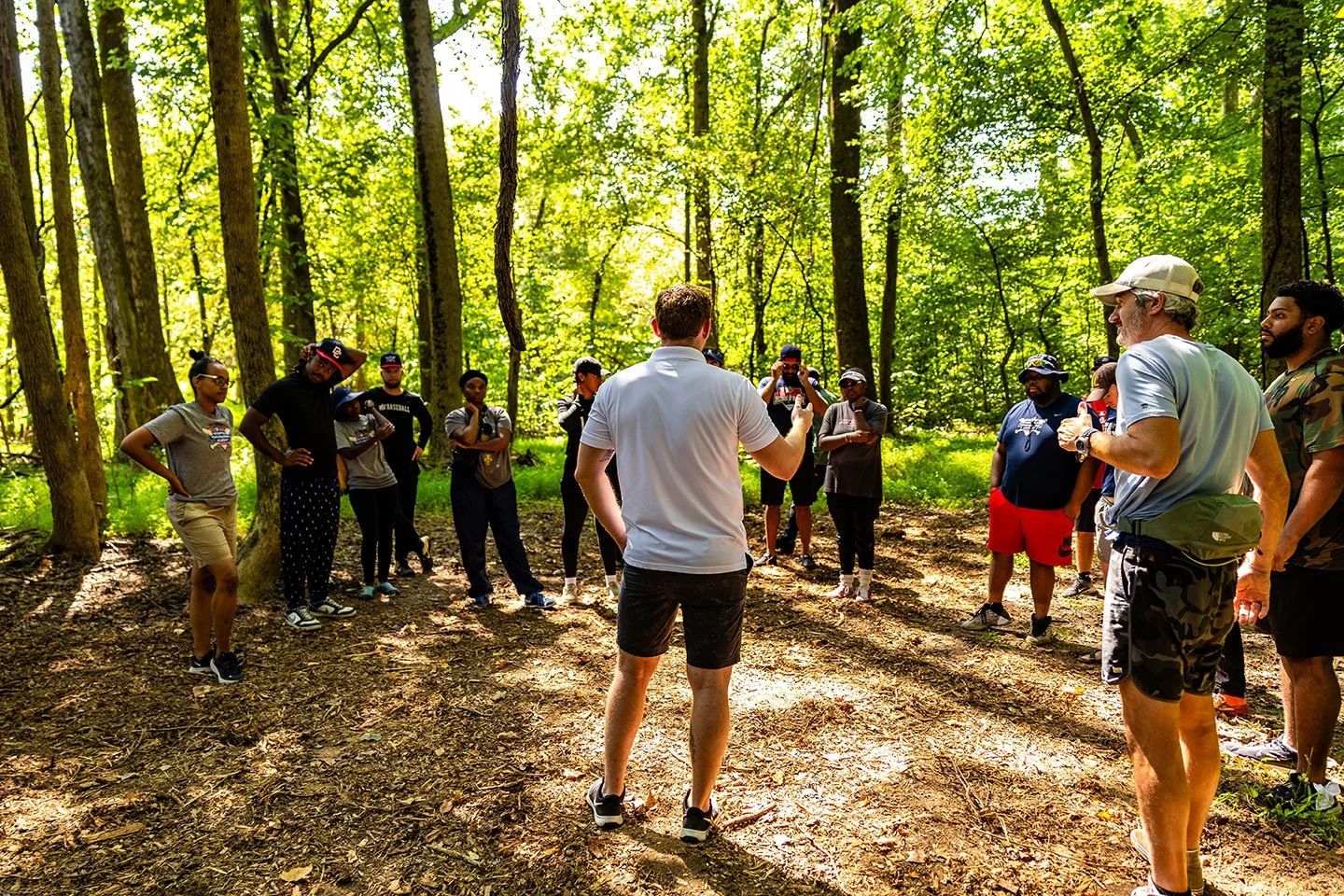
Personalized mental performance work for athletes who want an edge — or who are navigating pressure, anxiety, or a confidence dip. Sessions combine skill training with sport and nature immersion: real environments, real arousal, real transfer.
Five sessions. One system. Available individually or in small groups of 3–6.

Where IA has been used.
San Diego Unified School District
Alvord Unified School District — Riverside County
Gonzaga College High School Rugby — Washington, D.C.
Washington Jesuit Academy
Washington Nationals Baseball Academy
Simi Valley School District (CA)
Haddington Heights School District (NJ)
Washington DC Public Schools
The Bishops School La Jolla (Ca)

Questions from schools and athletic departments
What is Intellectual Athlete?
Intellectual Athlete (IA) teaches students and athletes to manage pressure, recover from mistakes, and refocus. Through PE, team practices, and active challenges, participants practice breathing, self-talk, visualization, and attention skills when they have a reason to use them.
How does IA support a school’s SEL and student wellness goals?
IA gives students opportunities to practice self-awareness, emotional regulation, and working with others through movement and play. Coaches and teachers help students connect those skills to everyday stress, including tests, disagreements, and difficult conversations.
Do we need to add a class period or hire another employee?
IA can fit into existing PE classes, intramurals, and team practices. Schools can train their current staff to deliver the curriculum or bring in IA instructors. Teacher training supports implementation without creating another full-time position; workshops and team installations require scheduled training time.
What is a team Reset, and how do athletes learn it?
The IA Reset is four steps: Interrupt, Regulate, Redirect, Engage. Athletes practice recognizing pressure, settling their response, and committing to the next constructive action. Team challenges build shared language and repeated opportunities to reset together. The goal is for players to use it in competition without a coach’s reminder.
What happens during coach or PE teacher training?
Participants experience active challenges, notice their responses, learn a mental skill, and try again. They practice pre-performance routines and mistake resets themselves, then learn to recognize and create opportunities to teach those skills in their own programs.
What research supports IA?
IA’s curriculum was evaluated in two controlled studies involving 277 students in grades 2–8: one randomized controlled trial and one quasi-experimental study. Findings included improvements in reported skill use, persistence, and use of skills at home. The middle school study also found reduced anxiety symptoms and improved adaptability. The research supports the underlying youth curriculum; it did not directly test the college team Reset package. Read the study, published in Frontiers in Education in April 2026.
Is IA therapy or a replacement for school counseling?
IA provides mental performance education and practice. It does not diagnose or treat mental health conditions or replace counseling. It gives schools another way to help young people practice skills that support performance and wellbeing.
Is IA only for competitive athletes?
No. PE programs use games and movement to engage students across ability and experience levels. Team programs adapt the training to the demands of high school and college competition.
How much does IA cost?
Team Reset training is $2,500 for a high school team, $3,500 for Division III, and $4,500 for Division I. PE teacher training is $2,500. Embedded PE instruction is $225 per hour per instructor. Each proposal specifies the schedule, staffing, included services, and any travel costs.
Can we use SEL or student wellness funding?
Potential funding sources include athletics, professional development, SEL, student wellness, and expanded learning budgets. Eligibility depends on the funding source’s rules and the proposed program. IA can provide a program description, research, and pricing for your district’s budget review.
How do we know whether the program is working?
We look for observable behaviors: students recognizing frustration, using a reset, returning to the task, and eventually doing so without prompting. Pre- and post-program measurement is available and should be agreed on when planning the engagement. Research findings inform the program; individual results will vary.
Can we start with one team or school?
Yes. Start with a paid pilot for one team, a PE program, or a staff training. Together, we define the participants, schedule, cost, and what success should look like before discussing expansion.
That moment is trainable.
Your athletes already practice effort. They already practice execution.
The missing skill is what happens when pressure hits.
That is what IA trains.