
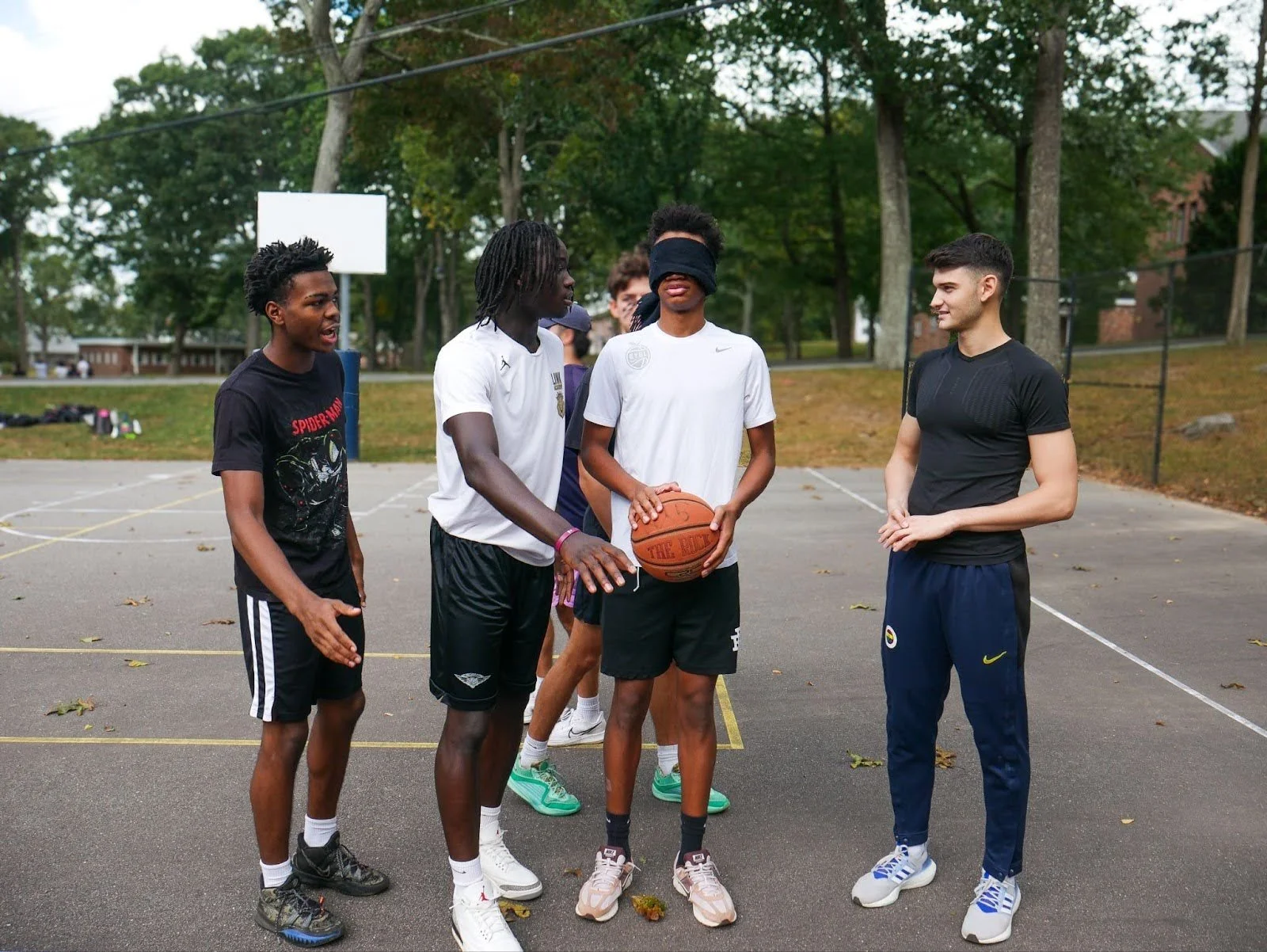
Train for the Moment After the Mistake.
Young athletes who learn to control their nerves, reset after mistakes, and focus under pressure perform better in sports. They also perform better in school, at home, and everywhere else it counts.

IA teaches self-regulation — breathwork, self-talk, visualization, and attentional control — inside the pressure moments where those skills actually need to work.
277
Students across two studies
2
Randomized controlled trials
91%
Retention rate
Gr. 2–8
Validated age range
Mental fitness that lives inside sport.
Most programs teach regulation skills in calm settings and hope they transfer under pressure. The research is clear: skills transfer when they are trained in conditions that match reality.
IA trains athletes to regulate attention, emotion, and behavior while the body is activated — during drills, games, and the moments that actually matter.
01
Movement Before Instruction
Physiological arousal is the classroom. Skills are introduced after the body is activated, encoded in the same state where they will be needed.
02
Trained During Real Frustration
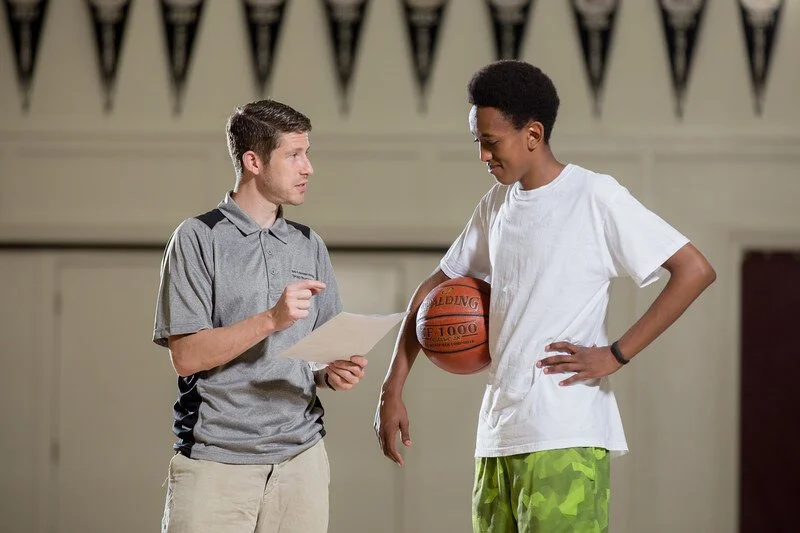
Mistakes, pressure, and adversity are not interruptions to the lesson. They are the lesson. IA instructors seize these moments in real time.
03
Recovery Becomes Instinct
With enough repetition under real conditions, the reset becomes automatic. The athlete stops thinking about it and starts doing it.
04
Sport to Life Transfer
Every session ends with explicit transfer — athletes identify one non-sport context for the skill. That is how the court becomes the classroom.
THE GAP EVERY COACH KNOWS
The moment no one has trained.
Most young athletes are never taught how to handle pressure. They train on conditioning, technique, and tactics. But when the moment gets big, they freeze, spiral, or fall apart.
THE SCENE
A player makes a mistake. Their attention narrows. Their body tightens. The next play is gone before it starts.
It shows up as the athlete who plays great in practice and goes quiet in games. The kid who crumbles after one bad play. The teenager whose phone has fragmented their attention so thoroughly that sustained focus feels out of reach.
It gets called a focus problem. A confidence issue. A toughness gap.
Often, it is simpler: the athlete has never been trained to recover.
THE SOLUTION
Breathing is easy in a quiet room. It is harder after a turnover. Or with a crowd. Or when the game is on the line.
Self-talk is easy when nothing is at stake. It is harder when your coach is watching, you just made an error, and the next play is in three seconds.
The mental skills that help an athlete reset after a bad play are the same ones that help a kid stay composed in a genuinely high-stakes environment.
That is where IA lives. Not in the calm before the storm — in the storm itself.
What changes when athletes train with IA.
Perform calm under pressure, — made possible by breathwork that activates the parasympathetic nervous system on demand — shifting athletes from threat mode to execution mode in under six seconds
Lock in when it matters, — made possible by attentional control training that teaches athletes exactly where to direct focus and how to filter distraction in high-stakes moments
Bounce back from mistakes faster, — made possible by the IA Reset — a four-step sequence that interrupts the anxiety spiral before it compounds and returns the athlete to the next play
Carry the skills beyond the game, — made possible by explicit transfer practice that connects sport recovery to school, home, and relationships — because the same athlete who needs to reset after a turnover also needs to manage a hard day in the classroom
INTERRUPT
REGULATE
REDIRECT
EXECUTE
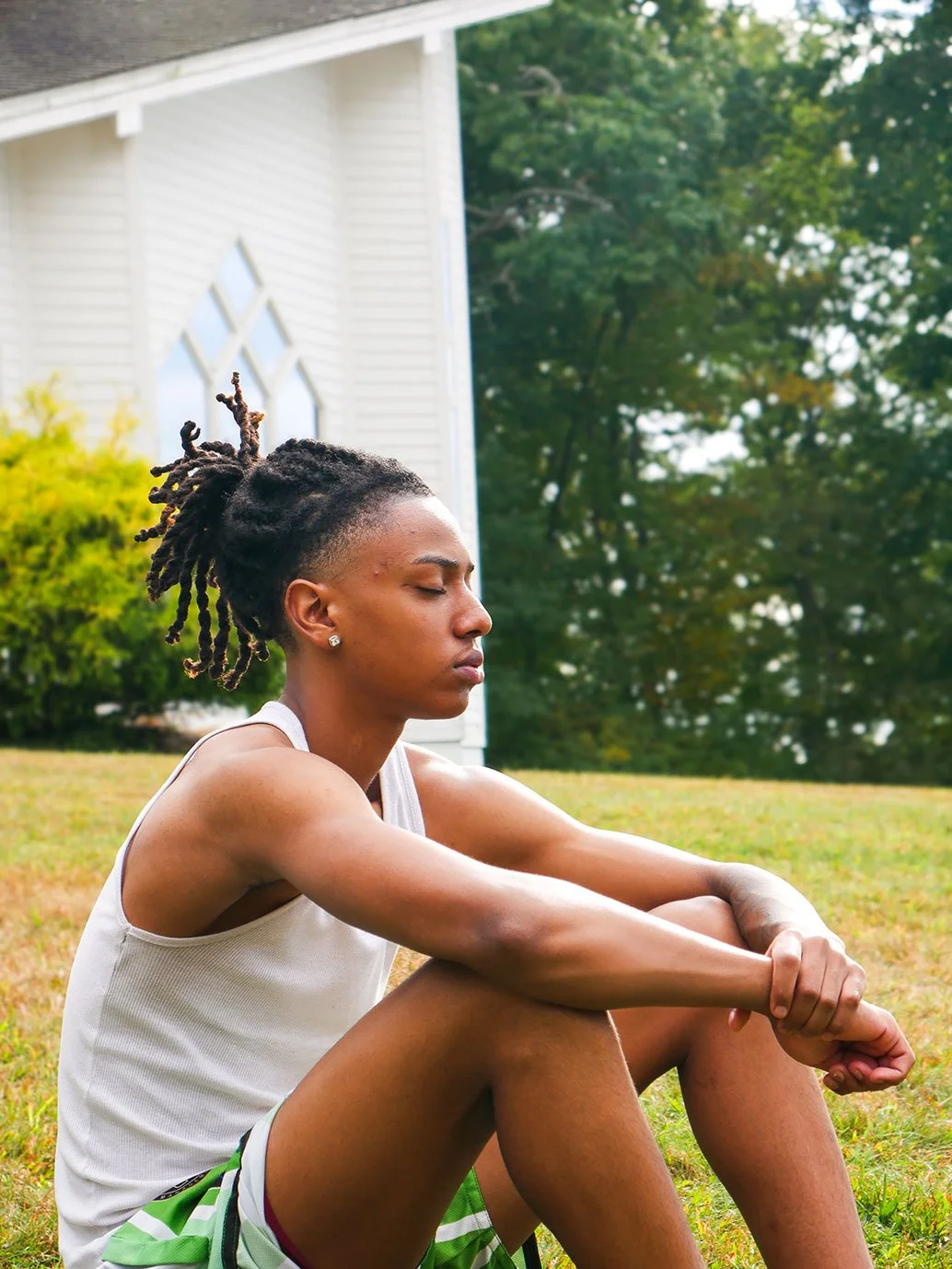
Mistake happens. Run the sequence. Back to play. With enough repetition, this becomes automatic — and that is the whole point.
What coaches, parents, and researchers say.

Testimonial 1 — Coach
need content
Testimonial 2 — Parent
need content
Testimonial 3 — Researcher or Athlete
need content
Four skills. One sequence. Built for pressure.
01
Breathwork
Regulate physiology when stress spikes. Parasympathetic activation in under six seconds. Trained inside competition, not before it.
02
Self-Talk
Replace spiral thinking with clear instruction. Personalized, task-specific language that redirects focus after a mistake.
03
Visualization
Rehearse both execution and recovery. The mental image of a successful reset is as trainable as any physical skill.
04
Attentional Control
Train focus in a distracted world. Athletes learn to move attention on command — the most transferable skill we teach.
277
Students across two studies
Evidence that goes beyond inspiration.
2
Randomized controlled trials
91%
Retention rate
Gr. 2–8
Validated age range
Students who completed the IA program showed measurable improvements in persistence under challenge, daily mental skill use, perceived control under pressure, and the ability to apply those skills at home when angry or frustrated. Middle school students showed significant reductions in anxiety and increases in resilience on validated clinical measures. Control groups, who received the same physical activity without the mental skills training, showed no comparable gains
The delivery model matters as much as the results: no licensed clinical staff, no new infrastructure. The program was delivered by trained sport psychology practitioners embedded in existing school athletic programs — at 92% fidelity.
Research conducted in partnership with The Catholic University of America under the guidance of Dr. Brendan Rich, Chair of the Department of Psychology. Accepted for publication in Frontiers Mental Health and Physical Activity, a peer-reviewed journal. Studies conducted in San Diego Unified and Alvord Unified School Districts serving predominantly Hispanic/Latinx youth from low-income communities.
92%
Instructor fidelity — non-clinicians
One system. Multiple entry points.
School Partnerships
An evidence-backed, movement-based way to build self-regulation district-wide — without adding another classroom program or expanding clinical staff.
Designed for Athletic Directors, SEL leads, PE directors, and expanded learning teams. A semester-long curriculum that gets students moving and building focus skills through play.
Team Programs
Give your team the mental edge top programs prioritize, integrated into the practices you are already running.
Install a shared language for hard moments. Preseason boot camps, in-practice support, coach education, and reset systems for competition. When every athlete on the roster knows the sequence, mistake recovery speeds up and emotional friction between teammates drops.
Coach Training
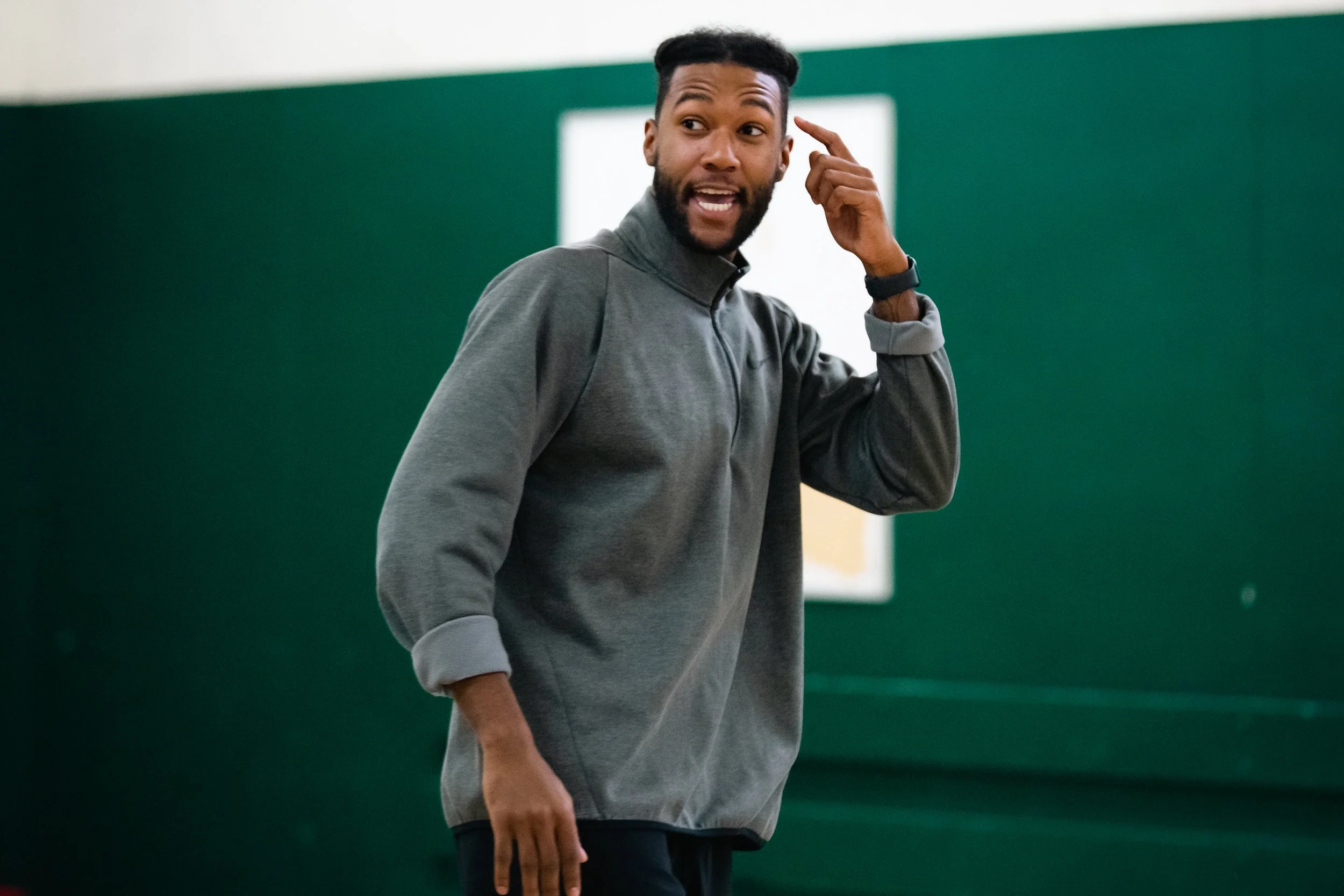
Give your coaches and staff the tools to regulate themselves — and their players — when it matters most.
Coaching is its own pressure sport. Parent noise. Social media. The valleys mid-season when effort drops and frustration compounds. The moments before a big game when the room needs steadying.
IA Coach Training installs a shared language for all of it: reset protocols for sideline moments, transition routines between periods and games, and regulation tools coaches can use on themselves before they can use them with their athletes.
Framed as performance training — because that is how coaches actually engage with it.
Learn More >
Amp Sessions
Your athlete gets a dedicated coach and a plan built around their specific challenge.
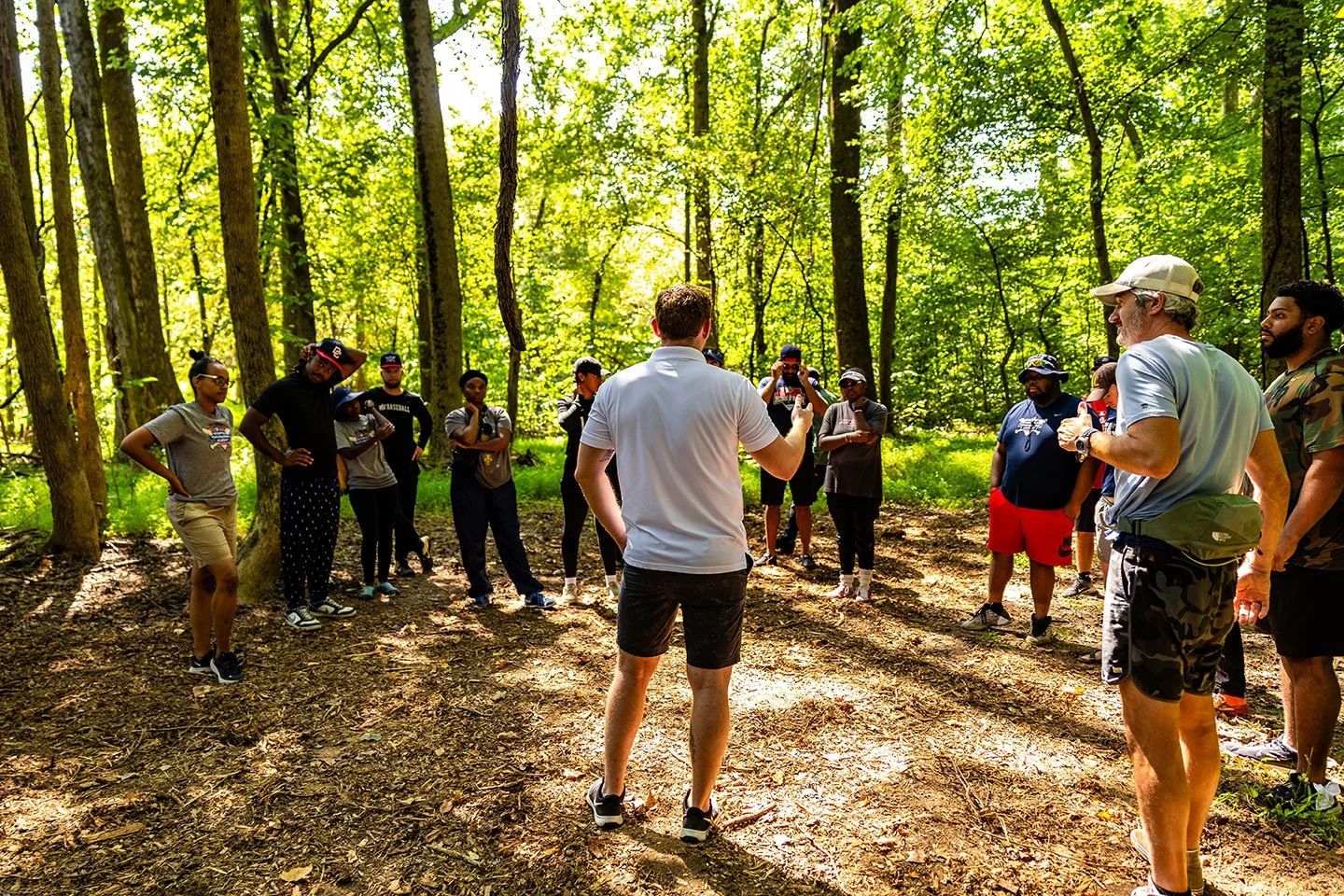
Personalized mental performance work for athletes who want an edge — or who are navigating pressure, anxiety, or a confidence dip. Sessions combine skill training with sport and nature immersion: real environments, real arousal, real transfer.
Five sessions. One system. Available individually or in small groups of 3–6.
Start Coaching >
What is included in every IA program.
Evidence-based curriculum validated by two randomized controlled trials
IA-certified mental performance instructors
Play-based delivery through active movement — no extra classroom time
Breathwork, self-talk, and visualization training
The IA Reset — four-step recovery sequence for mistake and pressure moments
Skills transfer verified across sport, school, and daily life
Pre- and post-outcome measurement available
Coach and parent education components
In-person and virtual delivery options
Programs for ages 8 to 18
Curriculum adaptable to individual, team, or district scale
Built on rigorous science. Delivered by people who know sport.
Our instructors bring sport psychology out of the textbook and onto the field. Every IA session is led by a certified instructor trained to teach through movement and play. That is how the science becomes a skill athletes actually use.
Intellectual Athlete was founded by someone who spent years using sport to unite children across some of the most divided communities in the world. That experience shapes how we think about pressure, resilience, and what young people are truly capable of.
Where IA has been used.

San Diego Unified School District
Alvord Unified School District — Riverside County
Gonzaga College High School Rugby — Washington, D.C.
Washington Jesuit Academy
Multi-sport programs across DC and Southern California
[ TESTIMONIAL QUOTE ]
[ Name, Title, Organization ]
Questions we hear most.
Q: Is this therapy?
[ ANSWER — address stigma concern directly. IA is performance training, not clinical treatment. No diagnosis, no pathology framing. ]
Q: How soon will we see results?
[ ANSWER — be specific. Reference RCT timeline and what coaches and parents typically notice first. ]
Q: Does this work for athletes who are already performing well?
[ ANSWER — address the 'only for struggling kids' assumption. This is performance enhancement. ]
Q: What ages does IA work with?
[ ANSWER — Gr. 2–8 validated in RCTs. Broader range in practice. ]
Q: How does this fit into a practice schedule?
[ ANSWER — embedded into existing sessions, not added on top. No extra time required. ]
Q: Is this covered by insurance?
[ ANSWER — current status on insurance / HSA / school budget line items. ]
That moment is trainable.
Your athletes already practice effort. They already practice execution.
The missing skill is what happens when pressure hits.
That is what IA trains.